

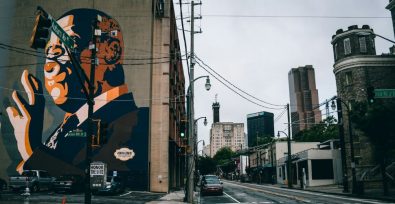
In 2026, the world will come to Atlanta, Georgia as it hosts matches for the 2026 FIFA World Cup. For many residents, it’s an exciting moment—a chance to showcase our city on the global stage.
But large international events don’t just bring tourists and celebration. They can also bring serious risks, including labor exploitation, housing displacement, and human trafficking. The question now is whether Atlanta is fully prepared to protect vulnerable workers and communities from these risks.
The City recently published a Human Rights Action Plan in preparation for hosting the World Cup this Spring. As an Atlanta native, I see the City’s preparations as both an opportunity and also a responsibility. And right now, the City is not taking that responsibility seriously. Atlanta can do better and there’s still time to make changes to strengthen the Action Plan.
City’s plan all bark and no bite
Over the last few months, I’ve been working with a small group of organizations in the newly formed coalition Play Fair ATL to encourage the City to strengthen protections ahead of the World Cup.
We met with Atlanta City Council Member Jason Dozier to highlight how human trafficking intersects with other risks, including loss of income, housing instability and limited access to support services. Addressing these issues is critical to reducing vulnerability to human trafficking and strengthen communities’ resilience both during the World Cup and long after it ends.
We were pleased when Council Member Dozier introduced a resolution reaffirming the City’s commitment to the Play Fair ATL policy priorities. But the new Human Rights Action Plan has some glaring omissions.
The Action Plan does include some important anti-trafficking provisions such as preventing recruiters from charging workers fees, ensuring responsible sourcing by vendors, and limiting risky subcontracting practices. These measures are critical for preventing exploitation in industries that will expand rapidly to meet the demands of the World Cup. But to be meaningful in practice, they need teeth.
Unfortunately, the plan does not clearly explain how these policies will be enforced. I am concerned that without stronger oversight and enforcement, companies may sign on to these principles without changing their practices. Policies alone cannot protect workers — accountability is essential.
Trafficking risks do increase, but maybe not the way you think
But enforcement isn’t the only problem. The City’s approach raises a deeper issue: a common misunderstanding of the real trafficking risks associated with major sporting events.
In January, Georgia Attorney General Chris Carr warned that major sporting events can create opportunities for sex traffickers because of increased travel and crowds. While these concerns are often raised in public messaging ahead of events like the World Cup, evidence of the link between sporting events and increased sex trafficking is limited. Some advocates even describe that narrative as a myth.
However there is ample evidence that large events can increase demand for temporary labor in industries where exploitation already occurs. Globally, labor trafficking occurs at significantly higher rates than sex trafficking, according to the International Labor Organization. And in Georgia, statewide data shows that at least a quarter of trafficking victims are exploited for their labor.
Experts also warn that labor trafficking is widely underreported, meaning the true scale of the problem is likely much larger. These realities highlight the need for a comprehensive anti-trafficking strategy. Yet the City’s planning still appears to underestimate these risks.
The Action Plan acknowledges the need for training and response procedures. It calls for staff to be trained to recognize trafficking warning signs and to follow clear steps when exploitation is suspected. This is especially important in industries likely to expand during the World Cup, such as hotels and food services.
However much of the messaging and prevention efforts seem to center sex trafficking. If training focuses primarily on sex trafficking, workers and volunteers may fail to recognize warning signs of labor exploitation or know how to connect victims with appropriate support services.
I have repeatedly requested to review the City’s training materials or observe a session to ensure labor trafficking is meaningfully included. So far, my requests have gone unanswered.
Atlanta can host the World Cup without exploitation — but only if the City does more
The Action Plan emphasizes the importance of involving survivors and grassroots organizations in shaping policy and training. This recognition is important. Community organizations and survivor advocates often have the deepest understanding of the risks facing vulnerable populations.
Yet, so far, organizations with decades of experience working with vulnerable communities, including those in the Play Fair ATL coalition, have not been meaningfully included in the City’s planning process. Despite our expertise, we have not been engaged in shaping the City’s anti-trafficking strategy. This is concerning but it’s not too late for Atlanta to shore up its efforts.
Right now, there is a clear gap between the Action Plan’s aspirations and its implementation. Atlanta can set a new standard as a Host City fighting exploitation, and I hope it does. But the City must strengthen enforcement, expand its focus to include labor trafficking, and work closely with the organizations already on the front lines protecting vulnerable workers and communities. Then it will be well positioned to win the World Cup against human trafficking.



Freedom United is interested in hearing from our community and welcomes relevant, informed comments, advice, and insights that advance the conversation around our campaigns and advocacy. We value inclusivity and respect within our community. To be approved, your comments should be civil.