


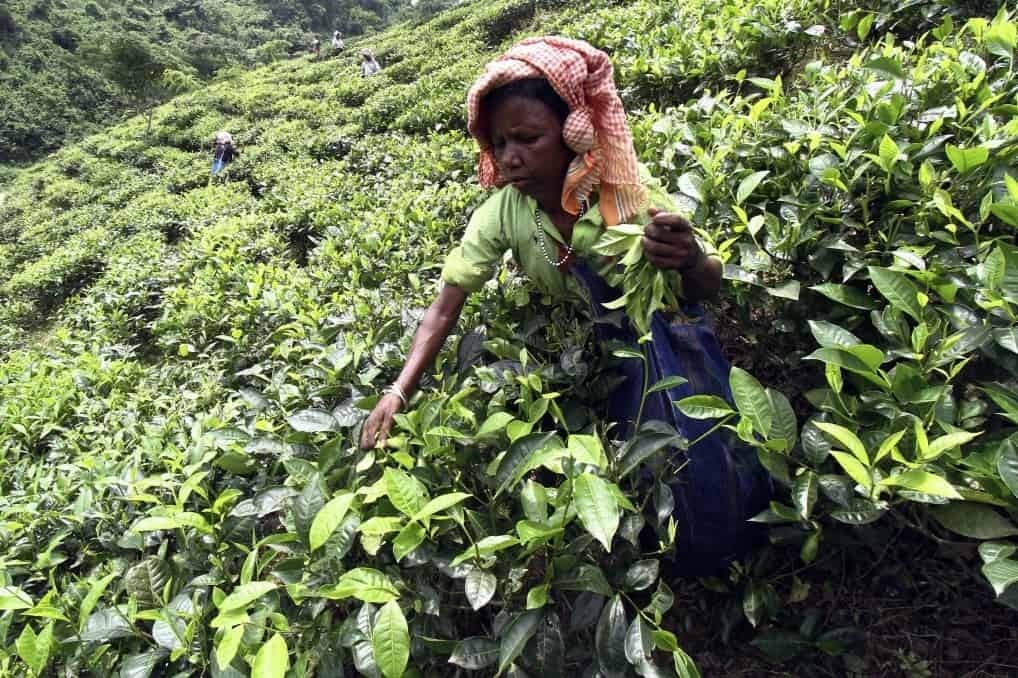
Your cup of tea has a story. It is the second most popular drink in the world next to water. But the next time you sit down to enjoy a steamy cup, think about the source…
America’s Department of Agriculture reports that the US imports about 400 million pounds of the product each year. The drink is marketed as a somewhat mystical experience–relaxing and perhaps even spiritual. But if you look beyond the cup and back to the fields, you’ll see many production workers with lives that are anything but relaxing.
The United Nations, non-governmental organizations and human rights lawyers describe tea-leaf pickers living and working in vile, dangerous conditions. Child labor is prevalent, as is wage theft and even human trafficking on plantations across the globe.
During this program on NPR’s Shortwave, you will learn about where the content of your cup really comes from. Peter Rosenblum is a lawyer and professor at Bard College. For two years, he studied and investigated an Indian plantation. He created this report. Ruth Dearnly, who is the director of Stop the Traffick, the producer of Not My Cup of Tea, talks about human trafficking and the tea business.
To hear the program, click on the link below.
http://www.pbs.org/newshour/updates/heres-the-real-story-behind-your-cup-of-tea/





Freedom United is interested in hearing from our community and welcomes relevant, informed comments, advice, and insights that advance the conversation around our campaigns and advocacy. We value inclusivity and respect within our community. To be approved, your comments should be civil.