


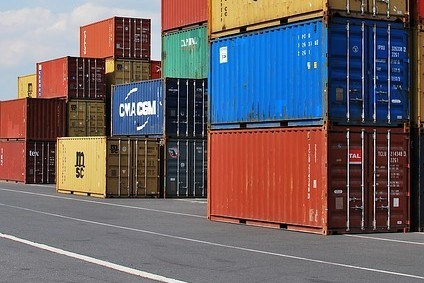
Many interest groups and unions have questions about the Pacific Trade Pact that was just finally released. . .
The TPP’s aim is to cut taxes and tariffs in forty percent of the world’s economic systems. And its goal is to create transparency by companies and workers. Lori Wallach from the Public Citizen’s Global Trade Watch said after reading the full document that was released on Thursday, “It’s worse than we thought.”
Labor representatives complain that the deal contains weak, poorly worded sections and some of it is simply not enforceable. “There are improvements, but we do not believe those improvements are significant or meaningful for workers,” said AFL-CIO’s Celeste Drake. President Barack Obama is in favor of the deal and explained that he intends to sign the deal.
Obama said in a recent post: “The TPP means that America will write the rules of the road in the 21st century. If we don’t pass this agreement – if America doesn’t write those rules – then countries like China will.”




Freedom United is interested in hearing from our community and welcomes relevant, informed comments, advice, and insights that advance the conversation around our campaigns and advocacy. We value inclusivity and respect within our community. To be approved, your comments should be civil.