


A nationwide strike is underway in US prisons, potentially becoming the largest protest of incarcerated men and women in American history.
What are they striking about? Conditions that amount to forced labor and the profits private prisons make off of exploiting inmates.
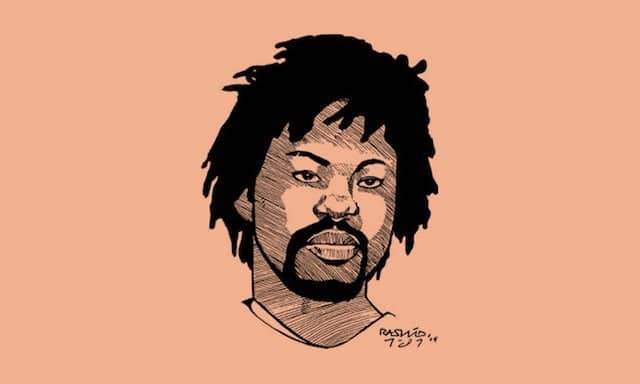
In an opinion piece for The Guardian, Kevin Rashid Johnson, who is being held in solitary confinement in a Virginia prison, explains why this strike is so important:
Until the strike ends on 9 September I will be joining a boycott of the commissary – I will not be parting with any money so that prison companies can make profit out of me. I’ll also be supporting fellow inmates here and across the nation who will be refusing to work in what amounts to a modern form of slavery.
At the end of the civil war in 1865 the 13th amendment of the US constitution was introduced. Under its terms, slavery was not abolished, it was merely reformed.
Anybody convicted of a crime after 1865 could be leased out by the state to private corporations who would extract their labor for little or no pay.
In some ways that created worse conditions than under the days of slavery, as private corporations were under no obligation to care for their forced laborers – they provided no healthcare, nutritious food or clothing to the individuals they were exploiting.
Though I’ve always refused to engage in this modern slavery myself, I’ve witnessed plenty of examples of it. The most extreme were in Texas and Florida, where prisoners are forced to work in the fields for free, entirely unremunerated.
They are cajoled into chain gangs and taken out to the fields where they are made to grow all the food that inmates eat: squash, greens, peas, okra. They are given primitive hand-held tools like wooden sticks and hoes and forced to till the soil, plant and harvest cotton.
There really is no choice in the matter, explains Johnson. “Prisoners who do not agree to such abject slavery are put in solitary confinement. I know from personal experience.”
Johnson has been continuously moved around different prisons over the years, which he believes is due to his vocal criticism of prison labor and efforts to rally other prisoners to protest.
Now he sits in solitary confinement in a cell for inmates sentenced to death — despite not being on death row. It’s one of the most isolated conditions prisoners can be subjected to.
As this article comes out in The Guardian, he asks, “Will I face reprisals for writing this column? Sure I will. Do I fear such reprisals? I am far past the point where threats concern me.”
“I have been starved, beaten, dehydrated, put in freezing cold cells, attacked with attack dogs, rendered unconscious, chained to a wall for weeks. There’s nothing left to fear.”



Freedom United is interested in hearing from our community and welcomes relevant, informed comments, advice, and insights that advance the conversation around our campaigns and advocacy. We value inclusivity and respect within our community. To be approved, your comments should be civil.
A few things we do not tolerate: comments that promote discrimination, prejudice, racism, or xenophobia, as well as personal attacks or profanity. We screen submissions in order to create a space where the entire Freedom United community feels safe to express and exchange thoughtful opinions.