


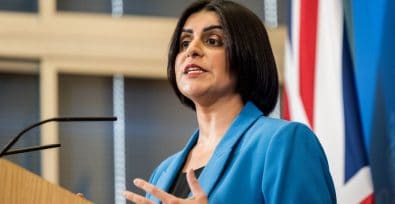
UK Home Secretary Shabana Mahmood has introduced a new immigration and asylum bill which campaigners describe as “draconian” and even one of her party colleagues calls “performative cruelty.” The bill strips protections for modern slavery survivors while fast tracking the deportation of refused families, including children.
The bill also curbs who qualifies for asylum protection, replaces independent appeals judges with government officials and could force successful refugees to repay a considerable debt.
Modern slavery claims under threat
The proposals form part of a broader overhaul of the UK’s asylum system that anti-trafficking advocates have repeatedly warned could increase vulnerability to exploitation by making it harder for survivors to seek help and access protection. Earlier this year, Mahmood changed refugee status from permanent to temporary, with 30 month reviews. Advocates have repeatedly warned this makes it harder for survivors to find long term employment and vulnerable to exploitation.
The bill also perpetuates the myth that individuals can submit claims themselves but they must be referred for modern slavery support by UK authorities.
Under the proposed legislation, protections are limited for trafficking survivors who make “late” claims. But campaigners warn trauma, fear of traffickers and distrust of authorities can delay disclosure, making access to protection more difficult.
Additionally, the bill would disqualify survivors who have been convicted while they were exploited.
Prioritizing removals while delaying security for survivors
Critics point out indicators of the clear priority of the Home Secretary to curb migration. Mahmood’s Labour Party colleague, Alf Dubs, has called for her removal citing concerns about human rights abuses under her policies.
One point of concern is the replacement of independent immigration judges on case appeals with a new authority made up of government appointees which may include members of the public. Advocates warn that speeding up asylum appeals should not come at the expense of due process and that the changes risk increasing mistakes in asylum decisions.
The proposed legislation also plans to downgrade protection of the right to respect for private life and family (Article 8 of the European Convention on Human Rights).
The Independent reports:
The bill will tighten the application of Article 8 by defining family as an immediate family member, such as a parent, spouse or child under 18, except in exceptional circumstances…
When a foreign national is in the UK without leave to remain, or they are in breach of their visa conditions, then “no weight” should be given to any private life, or family, that person may have built in Britain, the legislation says.
The wider package may also require some refugees to pay up to £10,000 ($12,000) in accommodation and support costs if they start working. This could discourage many from seeking employment, leaving them vulnerable.
The bill will now go through Parliament before any of the proposed changes can become law.
Protection must remain paramount
No one should face a greater risk of exploitation simply because they are trying to find safety. Protecting trafficking survivors means creating systems people can trust—ones that offer protection instead of fear or further danger.
The evidence is clear: safe, legal pathways reduce exploitation. Harsh border enforcement increases it. People will keep moving—pushed by climate breakdown, conflict, and persecution. The question is whether they can do so safely.
Join Freedom United in calling for safe migration policies that prevent trafficking before it happens and uphold the rights and dignity of everyone seeking safety. Take action today.




Freedom United is interested in hearing from our community and welcomes relevant, informed comments, advice, and insights that advance the conversation around our campaigns and advocacy. We value inclusivity and respect within our community. To be approved, your comments should be civil.