


In response to widespread criticism, Brazil will not weaken its anti-slavery law. The government has issued a decree backtracking on its original plan to revise the legal definition of slavery, a move that would have made it harder for abuses to be classified as slavery. A court has also suspended the original decree from October.
Thomson Reuters Foundation reports:
The revised decree undid changes to the definition involving exhaustive working hours and degrading work conditions and also removed limitations on the publication of a “dirty list” of employers subjecting workers to conditions similar to slavery.
Human rights groups had criticized the original mid-October decree, backed by Brazil’s powerful farm lobby, which narrowed the definition of slave labor to limiting the ability of workers to move freely while disregarding other abuses.
In Brazil, modern-day slavery has been defined as forced labor including debt bondage, degrading work conditions, and long work hours that pose a risk to a worker’s health or life, and violate their dignity.
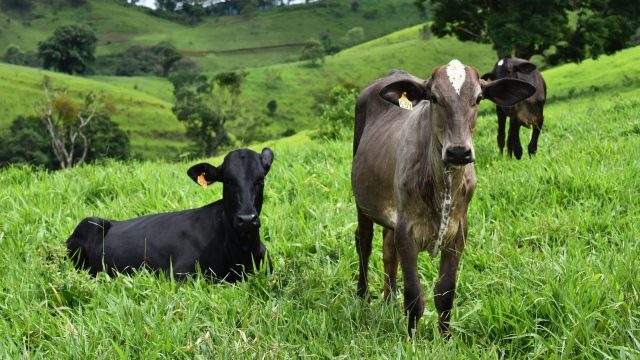
Human rights groups have pointed to abuses tantamount to slavery occuring on remote farms, sugar cane plantations, and cattle ranches, but also in factories and construction sites.
President Temer had said that the government would reissue the original October decree in order to respond to criticism, but the Supreme Court quickly suspended it on the grounds that it violated the constitution.
Labor Minister Ronaldo Nogueira issued the latest decree one day after submitting his resignation.


Freedom United is interested in hearing from our community and welcomes relevant, informed comments, advice, and insights that advance the conversation around our campaigns and advocacy. We value inclusivity and respect within our community. To be approved, your comments should be civil.
What a crime! A country stating it is outright complicit with slavery!
Really sad! I am brasilian, and it is unbeliavable think that in 2018 we need to have this kind of discussion. This is a moral obligation! Unfortunatelly the political crisis here in Brazil still the same! Dirty!
O Brasil tá uma desgraça.