


Native American women are some of the most vulnerable to sex trafficking in the United States according to Fronteras.
Lynette Greybull says she used to live on the streets when she was 17, but was lucky to find friends who took her in and prevented her from falling into sex trafficking. As the founder of Not Our Native Daughters, an initiative against sex trafficking, Greybull says since there are few opportunities on the reservation, young girls are lured into trafficking, often through social media.
Speaking to Fronteras, Greybull says that traffickers try to earn the trust of their victims through material support:
Greybull said traffickers prey on girls, mostly, many of whom already have been sexually abused, don’t have decent family support or are in the foster care system. Native American children enter foster care at twice the rate of all children in the U.S., according to a Government Accountability Office study. Greybull said many of these young people have to fight for shelter, food and protection.
“And you have someone come along that takes you out to eat, that gets your hair and nails done, gives you a phone, gives you shoes, clothes you well, treats you well, gives you affirmation. It’s almost like a hero has been sent to you,” Greybull said.
The National Congress of American Indians says Native Americans are one of the most vulnerable populations to sex trafficking because of the significant poverty rates, high numbers of runaway youth, and low levels of law enforcement.
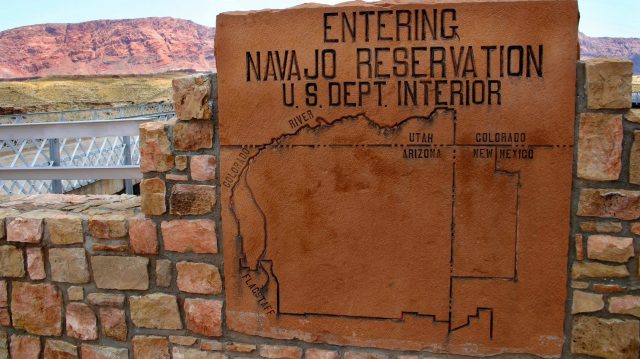
One of the problems has been the lack of anti-trafficking laws on reservations. This year Navajo leaders uncovered cases of sex trafficking on their reservations, but they didn’t have a way to fight it. They have now passed a law against the crime and other tribes across the United States are following suit.
Lisa Heth from the Pathfinder Center, a refuge for human trafficking victims in South Dakota, says that cases of trafficking are severely underreported on reservations because victims fear reprisal. “They’re fearful of reporting it because of retaliation or that they’re going be blamed. In the past we know that women have come forward and they’ve even been blamed by their own family members,” Heth said.





Freedom United is interested in hearing from our community and welcomes relevant, informed comments, advice, and insights that advance the conversation around our campaigns and advocacy. We value inclusivity and respect within our community. To be approved, your comments should be civil.
A few things we do not tolerate: comments that promote discrimination, prejudice, racism, or xenophobia, as well as personal attacks or profanity. We screen submissions in order to create a space where the entire Freedom United community feels safe to express and exchange thoughtful opinions.