


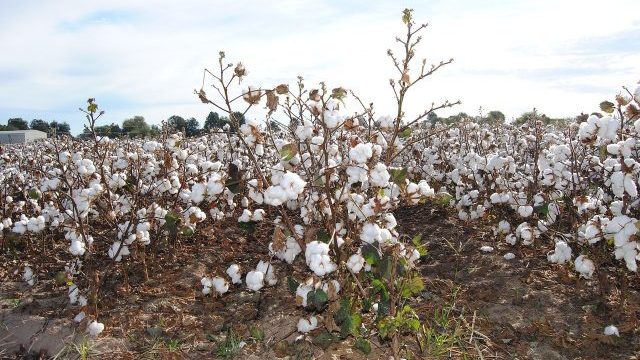
A Reuters article tells the story of a widow named Amina Batool who has worked in extreme conditions in Pakistan’s cotton fields for eight years to care for her two young children. The family lives in a small mud-thatched house near Vehari town in Punjab’s cotton region.
She is 32-years-old and lives in a two-room thatched house on the outskirts of Vehari town, in the Punjab cotton belt. The house is bordered by eucalyptus trees where she goes to rest after tiring days in the fields.
In the beginning Batool thought that picking cotton would net her a good income, but when her husband died in 2009, she became aware that the job carried of risks to her health. Headaches, skin, and eye problems started to occur when she first began the work. Now she spends 1/3 of her income on treatments and medications.
She told Reuters, “Every season I suffer problems when I return home after cotton picking. But I cannot abandon the job because my two children depend on me.”




Freedom United is interested in hearing from our community and welcomes relevant, informed comments, advice, and insights that advance the conversation around our campaigns and advocacy. We value inclusivity and respect within our community. To be approved, your comments should be civil.