


Human trafficking is happening all across the globe as well as in our own backyards. ECPAT-USA belongs to an international network of organizations in 75 countries, all-working to end the commercial sexual exploitation of children.
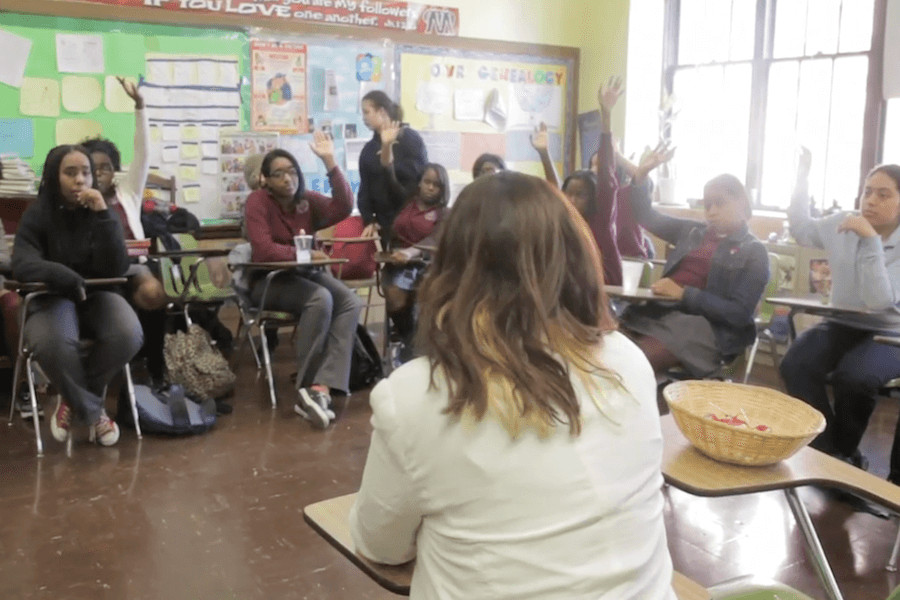
In New York City, ECPAT-USA currently runs an afterschool program, Youth Against Trafficking Leadership. The program’s goal is to equip at-risk students to become activists against human trafficking in their communities.
Thanks to 36 members of ENDCrowd, ECPAT-USA has received $10,000 in funding to develop an e-learning toolkit to help expand this program to schools across the U.S.
Using the toolkit, schools will be able to expand awareness of human trafficking and sexual exploitation to more and more at-risk students. The program is intended to be sustainable within the schools, looking to its participants to become activists and continue the program under student leadership. These young leaders of the next generation will be the ones to end human trafficking.





Freedom United is interested in hearing from our community and welcomes relevant, informed comments, advice, and insights that advance the conversation around our campaigns and advocacy. We value inclusivity and respect within our community. To be approved, your comments should be civil.