
Latest modern slavery fight updates - FreedomUnited.org
Donate

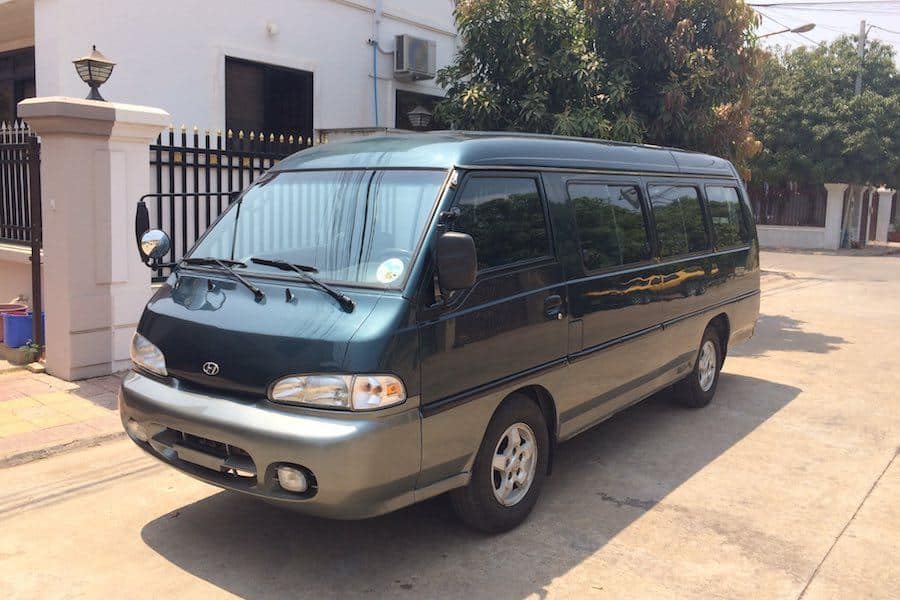
New Van in Cambodia Helps Prevent Exploitation by Transporting Children Safely to School

  • Published on
    August 11, 2015
  • News Source Image
  • Category:
Hero Banner

In the notorious Svay Pak area of Cambodia, an estimated 70% of children are exploited through commercial sex. Agape International Missions (AIM) is working hard to change this. AIM’s on-site school offers certified teachers and the promise of a high school education for Svay Pak’s children. However, maneuvering through the streets of Svay Pak by foot is treacherous for a little one.

Thanks to 56 End Crowd members and one generous matching sponsor, Clarity Technology Group, AIM was able to purchase a van on March 26, 2015 to help students get to and from school safely and escape the cycle of sex trafficking.

“Few organizations have the professionalism and passion that can motivate a crowd to make deep impact,” describes Stephanie VanTassell, AIM’s Director of Development. “End Crowd has proven to be one of them.”

Freedom United is interested in hearing from our community and welcomes relevant, informed comments, advice, and insights that advance the conversation around our campaigns and advocacy. We value inclusivity and respect within our community. To be approved, your comments should be civil.

stop icon A few things we do not tolerate: comments that promote discrimination, prejudice, racism, or xenophobia, as well as personal attacks or profanity. We screen submissions in order to create a space where the entire Freedom United community feels safe to express and exchange thoughtful opinions.

guest
0 Comments
Most Voted
Newest Oldest
Inline Feedbacks
View all comments

This week

Brazil’s deforestation crisis is also a modern slavery crisis

In Brazil, the same industries that clear forests are also trapping workers in slave-like conditions. Behind cattle, charcoal and sugarcane production are thousands of people facing threats, unsafe conditions and extreme exploitation. Over three decades, the majority of rescued workers were found in sectors linked to environmental destruction—exposing how vulnerability and weak protections allow abuse to flourish. Forest loss, isolation and forced

| Wednesday January 28, 2026

Read more