


A United Nation’s think tank said that the global financial sector is not fully using all the tools it has at hand to fight human trafficking. They could report suspicious credit card activity and seize assets when necessary.
The United Nations University (UNU) said financial tools were a powerful means to disrupt the flow of money generated from human trafficking, with the illegal industry estimated to be worth about $150 billion a year. As many as 45.8 million people, most of them women and girls, are estimated to be enslaved globally, according to the 2016 Global Slavery Index by rights group Walk Free Foundation. They are typically forced to work in factories, mines and farms, sold for sex, trapped in debt bondage or born into servitude.
Since money generated by human trafficking comes from crime, then handling that money can be considered money laundering or possibly financing terrorism, according to the report.
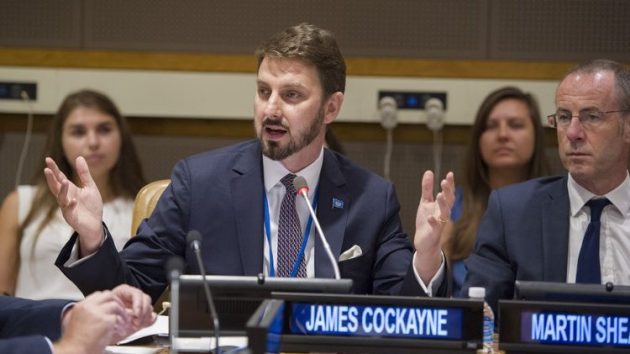
“Human trafficking is both big business and a serious crime,” said James Cockayne, head of the UNU Office at the United Nations and author of the report, in an accompanying statement. “Disrupting the associated financial flows associated with these crimes will make a powerful contribution to improving these lives and preventing future crimes.”
Financial institutions could help identify money couriers as well as so-called “straw men” used to conceal identities and cash-intensive businesses that typically play roles in human trafficking networks, the report said.
The report added that “relatively little attention has been paid to the role of the financial sector in efforts to tackle human trafficking and modern slavery, helping to make these crimes relatively low risk and high reward for perpetrators – and, arguably, for banks, other financial intermediaries and investors.”
In May, legislation was introduced in the US that would bolster financial regulations to help identify and report trafficking, as well as help deny traffickers access to the financial system.




Freedom United is interested in hearing from our community and welcomes relevant, informed comments, advice, and insights that advance the conversation around our campaigns and advocacy. We value inclusivity and respect within our community. To be approved, your comments should be civil.