Latest modern slavery fight updates - FreedomUnited.org
Donate

Consider the Back Story of What You Buy

  • Published on
    January 4, 2016
  • News Source Image
  • Category:
Hero Banner

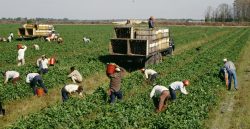
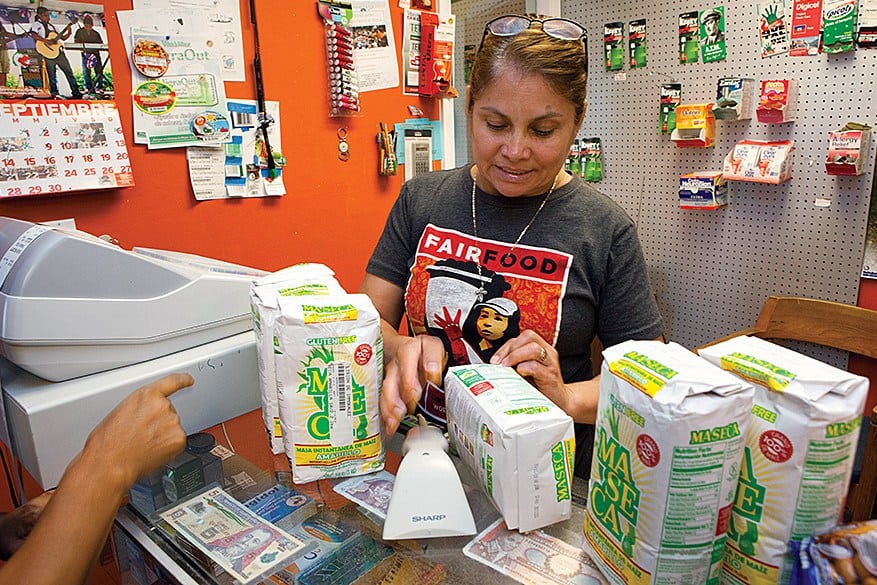
This article begs the question: Do you consider the back story of what you buy? The global market has brought distant products to our local stores, thus we must be more vigilant that the supply chains are free of slavery and abuse…

Just recently we have started learning to be mindful of the origin of the shrimp or tomatoes or shirts we buy.  We are not shocked by tags that read made in Vietnam, Jordan, etc. We now are encouraged to ask ourselves whether or not the farmer or the plantation worker or the woman peeling the shrimp were paid a fair wage.  This article asks furthermore, if they were actually sold into bondage and forced to produce those goods?  The read the entire story, click the article’s link below.

View Article on Chistian Science Monitor

Freedom United is interested in hearing from our community and welcomes relevant, informed comments, advice, and insights that advance the conversation around our campaigns and advocacy. We value inclusivity and respect within our community. To be approved, your comments should be civil.

stop icon A few things we do not tolerate: comments that promote discrimination, prejudice, racism, or xenophobia, as well as personal attacks or profanity. We screen submissions in order to create a space where the entire Freedom United community feels safe to express and exchange thoughtful opinions.

guest
0 Comments
Most Voted
Newest Oldest
Inline Feedbacks
View all comments

This week

Trapped in debt, workers sell their organs to survive

For families working in brick kilns across Pakistan, debt is not just a burden—it shapes entire lives. Workers describe being born into loans they did not choose. Over time, those debts grow. Then, trapped in debt bondage, one of the most common forms of modern slavery, workers say they are left with no choice. In order to repay loans tied to recruitment, housing and daily survival, they are selling parts of their own bodies. “We are born into debt

| Tuesday March 24, 2026

Read more