

March 9, 2021
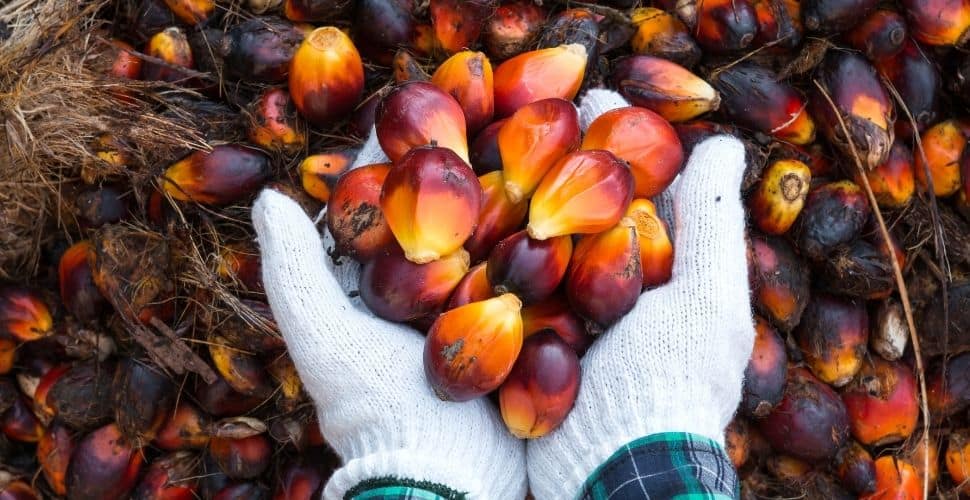
Today, as the petitioners in the FGV Holdings Berhad case that led to the block of the company’s palm oil imports into the US, Global Labor Justice- International Labor Rights Forum (GLJ-ILRF) Rainforest Action Network, SumofUs, as well as our partner Freedom United share recommendations for effective enforcement of the block. In the letter to U.S. Customs and Border, linked below, we have laid out what we think should be required of FGV to successfully demonstrate that their palm oil is not being produced using forced labor and in violation of Section 1307 of the Tariff Act.
Fundamentally, the recommendations are based on the underlying principle that eliminating forced labor in supply chains requires respect for and upholding of fundamental rights of workers. When Customs and Border Protection issued the block, or withhold release order (WRO) against FGV Holdings Berhad palm oil on September 30, 2020, they noted that their decision came as “the result of a year-long investigation that revealed forced labor indicators including abuse of vulnerability, deception, restriction of movement, isolation, physical and sexual abuses, intimidation and threats, retention of identity documents, withholding of wages, debt bondage, abusive working and living conditions, and excessive overtime.” These constitute serious abuses that result from systemic abusive company practices that need to be reformed.
Our recommendations are based on International Labour Organization (ILO) standards for combatting forced labor, upholding workers’ labor rights, and protecting migrant workers — both documented and undocumented — from abuses. Furthermore, we point to worrying programs and policies recently announced by the Malaysian government relating to labor on palm plantations that have the potential to exacerbate labor exploitation and put more workers at risk of forced labor. Accordingly, preventing and ending forced labor on FGV plantations will require both reform and transparency from the company as well as the Malaysian government, particularly with regard to immigration and labor policies.
We call on CBP to ensure the WRO is enforced properly and results in concrete improvements and protections for workers.



-
Follow us on Facebook
5.6M
-
Follow us on Twitter
32K
-
Follow us on Instagram
8K
-
Subscribe to our Youtube
5.7K
Donate