

Yesterday, investors in global consumer goods company Proctor and Gamble (P&G) received a brief in which Freedom United highlights their supply chain links to forced labor ahead of their upcoming shareholders’ meeting.
Freedom United joined Natural Resources Defense Council (NRDC) and its partners urging P&Gs investors to vote in support of Shareholder Proposal #5 for P&G to report on its efforts to eliminate deforestation and forced labor in its supply chains.
The briefing note highlights a series of concerns spotlighted by global NGOs in recent years surrounding P&G’s wood pulp and palm oil supply chains, including the company’s ties to human rights abuses including forced labor and the destruction of at-risk species habitat.
Freedom United has campaigned against forced labor in palm oil since 2014, initially calling on then PepsiCo CEO Indra Nooyi to pledge to exclusively and immediately use slavery-free palm oil. In 2018 PepsiCo partially suspended procurement with one of their palm oil suppliers following child labor allegations on Indonesian plantations and made a public commitment against forced labor in its supply chains. This week, Mars announced it has simplified its supply chain under its Palm Positive Plan delivering deforestation-free palm oil that makes it easier to ensure human rights are respected.
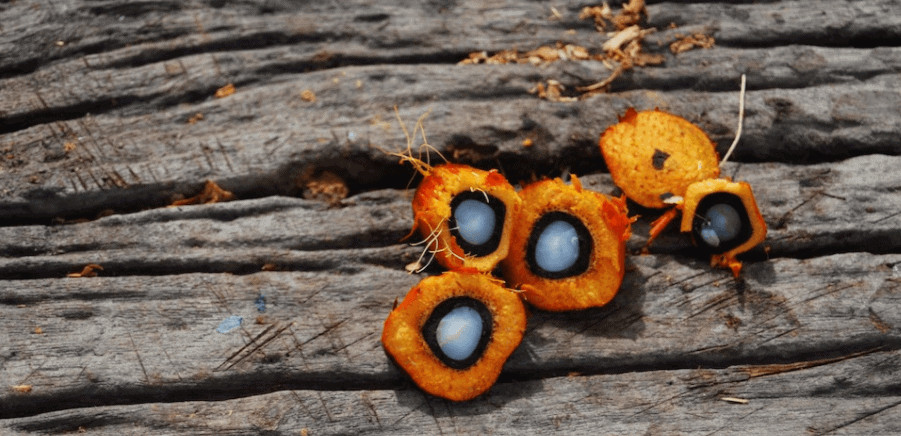
Last year, Freedom United launched a campaign urging the U.S. to block tainted palm oil from entering the country under the Tariff Act. Human trafficking has been documented on palm oil plantations through informal subcontracted labor agreements. Migrant workers are trapped in debt bondage, made to pay exploitative recruitment fees by corrupt labor brokers. Vast stretches of forests have been destroyed for palm oil plantations that contribute to the production of many household goods including shampoo, chocolate, lipstick, and even ice cream. But the environmental and human cost keeps piling up.
As a result, we believe that P&G’s current supply chain management exposes shareholder investments to human trafficking risks, which the company’s existing efforts and commitments have proven grossly insufficient to address. We are urging shareholders to support proposal #5 asking P&G to issue a report assessing if and how it could increase the scale, pace, and rigor of its efforts to eliminate deforestation and to start combating forced labor within its supply chains.




-
Follow us on Facebook
5.6M
-
Follow us on Twitter
32K
-
Follow us on Instagram
8K
-
Subscribe to our Youtube
5.7K
Donate