

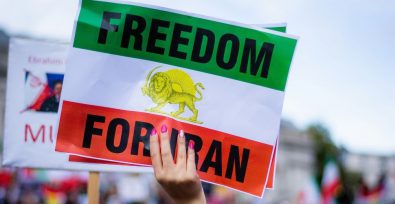
Iranians have taken to the streets repeatedly over the past 17 years to protest their authoritarian government. The demonstrations now unfolding appear to be among the largest yet. Protests that began in Tehran’s Grand Bazaar, sparked by economic collapse, have spread to universities and cities nationwide.
As in previous crackdowns, security forces have responded with riot police, tear gas, mass arrests, and live ammunition. According to the Human Rights Activists News Agency, at least 4,500 people have been killed and more than 26,000 arrested. However, the true figures are most certainly higher. One Iranian human rights monitor explains:
It is difficult to determine the real toll because the government has deliberately severed communications to hide what is happening.
Economic desperation, combined with brutal crackdowns, internet blackouts, and restrictions on journalists, is not incidental. They are part of a strategy to obscure the scale of repression—and the broader human rights abuses and conditions for modern slavery to flourish.
Economic collapse and exploitation
The latest Global Slavery Index estimates that 597,000 people in Iran are living in modern slavery. This translates to over 7 in every 1,000 people, trapped in forced labor or forced marriage.
These figures follow years of international sanctions, economic mismanagement, and entrenched corruption. Even before protests erupted, millions of Iranians were struggling to meet their basic needs. Protesters have pointed to rising prices for bread, fruit, and other essentials, alongside shrinking job opportunities and unpaid wages.
As Walk Free warns in its reporting, “risks of abuse can increase where legal protections are weak, and livelihood options are limited.” In Iran, both conditions are entrenched.
Workers facing unemployment or unpaid wages are more likely to accept dangerous or coercive work. Families under acute financial pressure may see forced or early marriage as a survival strategy. Children are pushed out of school and into exploitative labour.
Who faces the greatest risk
Economic collapse does not affect everyone equally. It deepens existing inequalities and pushes those already marginalised into greater danger.
Women and children face distinct and heightened risks. Walk Free reports that, in Iran,
Gender inequality and vulnerability to exploitation is entrenched by personal status laws that deny women equal rights in matters of marriage, divorce, inheritance, and children.
These structural gender inequalities heighten vulnerability to forced marriage and other forms of abuse. During times of acute financial strain, families may push girls into forced or early marriage as a coping mechanism, exposing them to lifelong exploitation.
Additionally, refugees in Iran face a distinctly high risk of modern slavery. According to Walk Free, Iran hosts approximately 3.8 million refugees, primarily from Afghanistan and Iraq.
Refugees are often isolated, fearful of deportation, and excluded from legal protections. In times of unrest, traffickers exploit this isolation. Survival needs become leverage. The risks of forced labor, forced marriage, and human trafficking increase as formal systems weaken and informal economies expand.
We cannot accept silence
The protests in Iran are about more than economic mismanagement or political reform. When inequality, repression, and poverty intersect, modern slavery takes root.
Internet blackouts and violent crackdowns are designed to suppress visibility and accountability. But invisibility is precisely what allows exploitation to spread.
Addressing root causes—including discriminatory laws and economic exclusion—is essential. The world cannot allow economic crisis and state repression to become a smokescreen for human rights abuse and modern slavery.


Freedom United is interested in hearing from our community and welcomes relevant, informed comments, advice, and insights that advance the conversation around our campaigns and advocacy. We value inclusivity and respect within our community. To be approved, your comments should be civil.
May we pray for and speak up and out for each other, to try to lessen the sting of oppression, and violence all around the earth.