


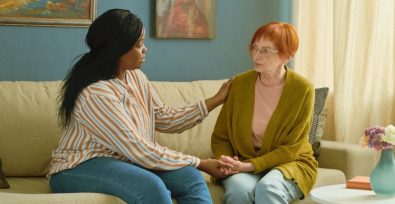
A new report led almost entirely by modern slavery survivors is challenging governments to rethink how they approach recovery and prevention. The report, Learning from Experience, reflects the lived realities of 18 survivors of forced labor, human trafficking, and other forms of modern slavery in Australia. Their message is clear: systems designed to help survivors are falling short, and meaningful change will only happen when survivors help shape the solutions.
Produced by Survivor Connections, Project Respect, and Fair Futures, the report centers economic empowerment as the foundation for long-term recovery. Survivors say escaping exploitation is only the first step. Without stable income, housing, and support, many remain at risk of being exploited again.
The risk of re-traumatization
Survivors emphasize that economic insecurity leaves people vulnerable to re-exploitation. For them, economic empowerment means more than finding a job. It means having control over their lives after years of coercion. CHOICE highlights what one survivor said:
Economic empowerment to me means that no one has power over you because of poverty or disadvantage. It means that you can thrive instead of fighting just to survive.
Survivors point to the need for stable housing, trauma-informed workplaces, access to education, financial guidance, and peer support. When even one of these elements is missing, survivors say exploitative employers are ready to step in and take advantage.
Survivors need a seat at the table
Beyond economic support, survivors say current anti-slavery approaches fail because they often exclude lived experience. Many feel treated as research subjects rather than partners in reform. Sarah Schricker, director of Survivor Connections and a survivor herself, said:
This project was born out of the need to be a part of the conversations about our economic recovery and empowerment, rather than just being the subjects of them.
Survivors described carrying heavy financial burdens after exploitation, including lost housing, large debts, and long periods without safe accommodation. Some reported living in their cars with their children, either due to safety concerns or lack of housing—conditions they say are preventable with the right support systems in place.
A five-point plan for survivor-led reform
The report outlines five recommendations aimed at reshaping anti-slavery responses.
First, survivors say services must prioritize restoring economic autonomy. Without sustainable income and financial independence, recovery remains fragile and incomplete.
Second, they call for all anti-slavery efforts to be guided by people with lived experience. Survivors argue that policies designed without their input often miss critical realities and can unintentionally cause harm.
Third, the report urges governments to expand support beyond crisis response. Survivors say early intervention and prevention, alongside long-term recovery services, are essential to breaking cycles of exploitation.
The remaining recommendations stress the need to embed sustainable economic recovery into all support programs and ensure services respond appropriately to trauma. Survivors say trauma-informed systems reduce the risk of re-traumatization and help people rebuild trust and stability.
Centering survivors to prevent exploitation
Advocates involved in the report say survivor leadership is not optional if anti-slavery efforts are to succeed. Project Respect’s executive director said modern slavery survivors were clear that they wanted their experiences to drive system change, not sit on the margins of policy discussions.
Survivor Connections’ director of operations echoed this message, noting that prevention begins when systems listen and act on survivor expertise.
At Freedom United, we support approaches that place survivors at the forefront of anti-slavery solutions. Prevention is only possible when systems address the economic and structural conditions that allow exploitation to continue—and when survivors are centered in the way forward.





Freedom United is interested in hearing from our community and welcomes relevant, informed comments, advice, and insights that advance the conversation around our campaigns and advocacy. We value inclusivity and respect within our community. To be approved, your comments should be civil.