


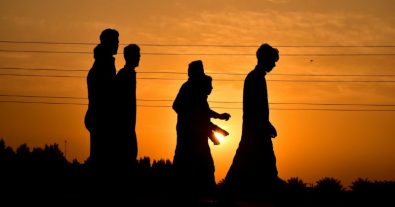
More than 300 migrants from Iraqi Kurdistan were reportedly kidnapped, tortured and threatened with forced organ removal while attempting to reach Europe through Libya, according to a recent investigation. The case highlights the extreme dangers migrants face on routes through Libya. Armed groups, traffickers and criminal networks in Libya continue to profit from people seeking safety and opportunity abroad.
Certainly, the migrants’ accounts are a chilling reminder that migration journeys can quickly become situations of exploitation, extortion and modern slavery.
“We didn’t see the sun for six months”
The migrants arrived in Libya expecting to meet with people smugglers. Instead, on arrival, they were taken to a guarded compound and imprisoned. Survivors say they were then held by a Libyan militia for months.
In addition to what they had already paid to be taken to Europe, a $5,000 ransom was demanded from each hostage’s family. Further, those who could not pay were allegedly told their relative would have their kidney removed.
Ben Milne and Sue Mitchell from the BBC reported:
The Libyans also sent photos and videos of the hostages, many of which were distressing or violent. In one, a young man was filmed while being told he was being taken to a doctor to have his kidney removed.
Captors allegedly sent photographs and videos showing hostages being beaten and threatened.
The local man who approached us in Ranya said he had paid the ransom… However, he showed a photo he said his son had sent while in captivity, displaying a raw scar they feared was from a forced organ removal.
According to survivors, detainees slept sitting upright because there was no room to lie down. Nearly 180 people shared a single toilet, and those who took too long were beaten. Another survivor showed burns on his leg that he said were caused by torture.
Libya remains a hub for trafficking and abuse
The kidnappings reportedly occurred after a dispute between a Libyan militia and a Kurdish smuggling network. The network was responsible for arranging migrants’ journeys toward Europe.
Tellingly, experts say the case reflects a wider pattern of abuse and exploitation in Libya. Weak state control has allowed militias, traffickers and smugglers to operate with near impunity.
Anthony Dunkerley, a UN adviser who investigated human trafficking in Libya said:
The (migrant’s) route passes through Libya, a country with a huge vacuum of government. Criminal groups are able to exploit limited state control.
For years, human rights organizations, including Freedom United, have documented how migrants traveling through Libya face detention, forced labor, sexual violence, torture and extortion. And we have raised our concerns over cooperation between European governments and Libyan authorities.
Despite reports of some Libyan coastguard units linked to trafficking networks and abuses against migrants, the EU continues to financially support the agency.
Further, earlier this year, a Libyan coastguard vessel reportedly opened fire near a humanitarian rescue ship operating in the Mediterranean, underscoring the increasingly dangerous environment for both migrants and rescue organizations.
Putting borders before human rights
These latest horrific survivor stories demonstrate how conflict, economic hardship, and restrictive migration policies continue to push people into ever more dangerous routes. Routes where traffickers and armed groups are waiting to exploit them, including through some of the worst forms of modern slavery.
As long as safe migration pathways remain limited, desperate, vulnerable people will continue to face life-threatening risks at the hands of criminal networks operating across Libya and the Mediterranean.
This is why we are calling on European leaders to end cooperation that enables forced returns to Libya. Add your name to demand that the EU stop supporting interceptions that deliver migrants into trafficking networks and instead create safe, legal pathways that protect lives and prevent exploitation.




Freedom United is interested in hearing from our community and welcomes relevant, informed comments, advice, and insights that advance the conversation around our campaigns and advocacy. We value inclusivity and respect within our community. To be approved, your comments should be civil.