Latest modern slavery fight updates - FreedomUnited.org
Donate

Indian Law Allows Working Children

  • Published on
    December 28, 2015
  • News Source Image
  • Category:
Hero Banner

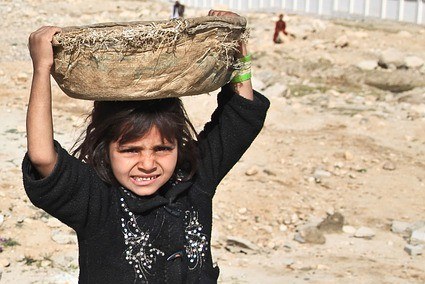
Indian law allows working children in family businesses.  But advocates say they are concerned.  The law may interfere with schooling and many manufacturing businesses operate in residential areas and try to falsely appear as a family enterprise…

Rakesh Sengar is with Bachpan Bachao Andolan, an NGO that rescues children.  He says that  of the 5,254 children they have rescued, nearly 60 per cent were under 14- years-old. Only 1/5 actually were working in their family’s business.  “This suggests that a change in law that permits employment of children in family enterprises may continue to support trafficking of children for forced labour since most manufacturing units operating out of residential areas could claim to be family enterprises.”


View Article on Daily Mail

Freedom United is interested in hearing from our community and welcomes relevant, informed comments, advice, and insights that advance the conversation around our campaigns and advocacy. We value inclusivity and respect within our community. To be approved, your comments should be civil.

stop icon A few things we do not tolerate: comments that promote discrimination, prejudice, racism, or xenophobia, as well as personal attacks or profanity. We screen submissions in order to create a space where the entire Freedom United community feels safe to express and exchange thoughtful opinions.

guest
0 Comments
Most Voted
Newest Oldest
Inline Feedbacks
View all comments

This week

25 years on: reflecting on the TVPA and Palermo Protocol—and the progress at risk

As we enter a new year, we do so having recently marked a significant milestone in the global fight against human trafficking: the 25th anniversary of both the UN Palermo Protocol and the US Trafficking Victims Protection Act (TVPA). Adopted in 2000, these two frameworks reshaped how governments understand, prevent, and respond to modern slavery. Yet anniversaries are not only moments of celebration—they are moments of reckoning. A quarter-century on,

| Friday January 2, 2026

Read more