


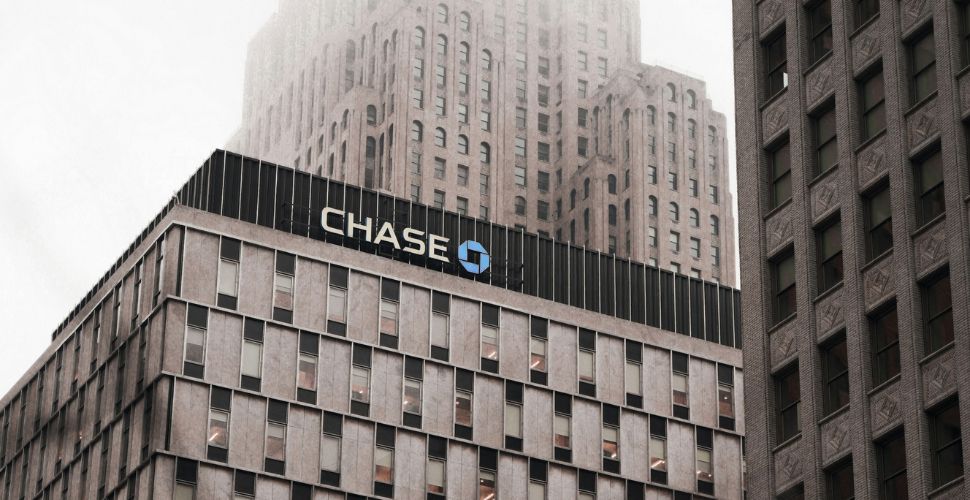
A new report by a senior US lawmaker alleges that JPMorgan Chase, Deutsche Bank and Bank of America ignored suspicious transactions linked to Jeffrey Epstein worth over a billion dollars.
The report accuses bankers of putting profits ahead of their legal duty to report suspicious financial activity that could signal crimes including money laundering and human trafficking.
Banks protected their “cash cow”
An investigation led by senior US policymaker Ron Wyden concluded with a report that accuses JPMorgan Chase, Deutsche Bank and Bank of America of ignoring suspicious financial activity linked to convicted sex trafficker Jeffrey Epstein.
Under the Bank Secrecy Act, the banks were required to report suspicious transactions. Instead, the report alleges that they looked the other way, while collecting millions of dollars in fees from Epstein.
Wyden reviewed thousands of Suspicious Activity Reports. His investigation found more than $1.4 billion in suspicious wire transfers over two decades. The banks also processed millions of dollars in cash withdrawals with “no clear business purpose.”
Court records cited in the report show JPMorgan earned $8.1 million from Epstein between 2009 and 2014. Although the bank ended the relationship in 2013, it reportedly waited until after Epstein’s 2019 arrest to report more than 5,000 suspicious wire transfers worth over $1 billion.
Wyden told The American Prospect:
The pattern of transactions through Epstein’s accounts was well outside the ordinary course of business. All of the Wall Street banks financing Epstein’s activities knew, or should have known, that his transactions were suspicious. By failing to do exactly what the Bank Secrecy Act requires, these Wall Street bankers enabled unspeakable harm to hundreds of Epstein’s victims.
The suspicious transactions included payments to women and girls. They also included tens of millions of dollars sent to convicted sex trafficker Ghislaine Maxwell.
Of the 13 bankers named in the report, Jes Staley is the only one to have faced consequences for his ties to Epstein. The former JPMorgan executive was forced out as CEO of Barclays.
According to the report, the banks may have also violated federal anti-money laundering laws.
A system that protected a predator instead of women and girls
Earlier this year, Bank of America agreed to pay $72.5 million to settle claims that it ignored suspicious financial transactions linked to Epstein’s trafficking. JPMorgan Chase previously agreed to pay $290 million, while Deutsche Bank paid $75 million to resolve similar claims. But Wyden thinks more can be done. He is proposing reforms that would hold senior banking executives personally accountable for failing to report suspicious activity. It would strengthen anti-money laundering rules, increase penalties, and claw back executive bonuses.
He is also calling on the Treasury Department, the Department of Justice, the Federal Reserve and the Office of the Comptroller of the Currency to investigate how the banks handled Epstein’s accounts.
The length to which the banks covered up the suspicious nature of Epstein’s transactions is alarming. But might only be one part of a much wider systemic failure to hold the powerful to account. According to Wyden, a 60 Minutes interview with correspondent Sharyn Alfonsi would have exposed the banks’ cover up, but Alfonsi was fired and the segment never aired. He thinks it shows how “corporate media is protecting predators and standing in the way of justice.”
Making bankers answer for the failures
Survivors have won settlements, but many of the institutions and people accused of helping Epstein’s trafficking network have yet to face consequences. Once again, survivors have paid the highest price while many of the powerful people linked to Epstein remain untouched.



Freedom United is interested in hearing from our community and welcomes relevant, informed comments, advice, and insights that advance the conversation around our campaigns and advocacy. We value inclusivity and respect within our community. To be approved, your comments should be civil.
A few things we do not tolerate: comments that promote discrimination, prejudice, racism, or xenophobia, as well as personal attacks or profanity. We screen submissions in order to create a space where the entire Freedom United community feels safe to express and exchange thoughtful opinions.