


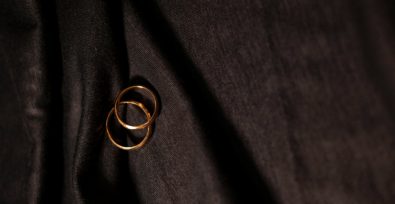
Helena Hassani was only 11 years old when she was coerced into marriage. Years later, after fighting for her independence through education, she secured a divorce and rebuilt her life. Today, she is raising awareness about forced marriage in Australia as reports of it continue to rise.
A childhood taken by forced marriage
Hassani was born in a small village in Afghanistan before relocating to Pakistan as a child. During her school years, her life changed abruptly when she was forced to marry. Hassani spent years trying to escape the marriage. Throughout that time, she focused intensely on education as her path to freedom. In a report by ABC News, Hassani states:
I realised the only way of getting out of it was empowering myself through education, and if I became [financially] independent, I could get out of that marriage.
Hassani eventually completed two university degrees and a master’s degree while working to become financially independent. In 2019, her divorce was finalized—a moment she describes as life-changing:
You know what was the happiest moment of my life? The day that I got my divorce, because I gained my freedom.
Now living in Australia, Hassani says the experience drives her advocacy work. In 2023 she founded the organization Boland Parwaz, which works with communities and government agencies to prevent forced marriage.
Forced marriage reports rising in Australia
Forced marriage occurs when someone marries without freely and fully consenting—often due to coercion, threats or deception. In many cases involving minors, consent cannot be considered meaningful at all.
Australian authorities say the problem is growing. According to ABC News, the Australian Federal Police recorded a nearly 30% increase in forced marriage reports last financial year, rising from 91 cases in 2023–24 to 118 in 2024–25.
AFP Commander Helen Schneider told ABC News.
With potential victims often being school-aged, this makes school communities—from educators and parents through to fellow students—a key partner in awareness.
Experts also warn that many cases involve children being taken overseas for marriage ceremonies arranged by family members.
In New South Wales, the state’s anti-slavery commissioner says forced marriage has become the most commonly reported form of modern slavery. Reportedly, in 2024, a man was arrested in Australia for attempting to orchestrate separate forced marriages for two of his children, who were then aged 15 and 17.
Because children are dependent on parents and caregivers, they often have limited ability to refuse or escape these situations, leaving them highly vulnerable to exploitation and abuse.
A legal loophole still allows child marriage
Australia’s legal marriage age is 18. However, under the Marriage Act 1961, courts can approve marriages involving 16- or 17-year-olds in “exceptional circumstances” with parental consent.
Advocates say this exception undermines protections for children.
Freedom United’s new campaign urges the government to close the loophole and set 18 as the absolute minimum age for marriage without exception. Setting a clear minimum age would strengthen protections against forced marriage and modern slavery, advocates say.
Take action
Today, Hassani continues sharing her story so others do not experience the same loss of freedom she endured as a child. Her message is simple: protecting children from forced marriage is essential to ending modern slavery.
Join the call and urge the Australian government to amend the Marriage Act and ban child marriage without exception—a critical step toward protecting children and ending forced child marriage worldwide.




Freedom United is interested in hearing from our community and welcomes relevant, informed comments, advice, and insights that advance the conversation around our campaigns and advocacy. We value inclusivity and respect within our community. To be approved, your comments should be civil.