


A new United Nations report finds that migrants in Libya face torture, rape, forced labor, and abduction within a system that treats human suffering as a source of revenue. Based on interviews with nearly 100 migrants, the report concludes that exploitation is not incidental—it functions as a business model. Yet European cooperation continues to return intercepted migrants to Libya.
Abuse as a revenue stream
The report, titled Business as Usual, draws from interviews conducted between January 2024 and November 2025, both inside and outside Libya. It documents horrific abuse and human rights violations. Armed groups and traffickers forcibly round up migrants across the country. State-affiliated actors often operate alongside them. Victims are separated from families and transferred at gunpoint. Many are detained without due process.
Inside these facilities, survivors describe torture, sexual violence, forced labor, and repeated resale. One Eritrean woman described her six weeks detention in a trafficking house in Tobruk as “a journey of hell.”
Traffickers demand ransom payments from relatives abroad. Traffickers sell, transfer, or kill anyone who cannot pay.
Al Jazeera reports,
A woman identified as Gloria from Nigeria was forced into marriage as a child at the age of 15. “People come there to buy people, to buy human beings. They forced me into prostitution. I stayed there for a long time before I ran away,” she said.
The report emphasized the importance of life-saving search and rescue operations for migrants at sea. But the international community must also halt returns to Libya until adequate human rights safeguards are ensured.
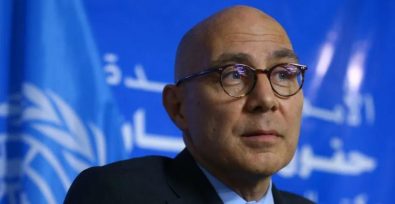
The report concludes that detention facilities and trafficking houses operate within a structured system of exploitation. UN High Commissioner for Human Rights Volker Türk said that, “there are no words to describe the never-ending nightmare these people are forced into, only to feed the mounting greed of traffickers and those in power profiting from a system of exploitation.”
The High Commissioner’s office reports,
Beyond the scale of abuse, armed groups, traffickers, and State-affiliated actors operate in overlapping roles, blurring the line between state authority and criminal enterprise.
EU continues to fuel abuse
Libya has served as a major transit point since 2011. Migrants flee conflict and poverty and attempt to reach Europe. In recent years, the EU has supported and trained the Libyan Coast Guard despite continuous reports of the agency’s violence.
Those interceptions return migrants to Libya, despite extensive evidence that detention sites function as hubs of trafficking and abuse. The UN Human Rights Office has stated that Libya is not a safe place for disembarkation and return.
The report urges governments to halt returns to Libya and implement human rights protections. It also emphasizes the importance of life-saving search and rescue operations at sea which the EU has been cracking down on.
However, these findings come on the heels of the EU’s announced “new chapter” of migration policy expanding fast-track border procedures and externalized enforcement.
This is why we are calling on European leaders to end cooperation that enables forced returns to Libya. Add your name to demand that the EU stop supporting interceptions that deliver migrants into trafficking networks and instead create safe, legal pathways that protect lives and prevent exploitation.




Freedom United is interested in hearing from our community and welcomes relevant, informed comments, advice, and insights that advance the conversation around our campaigns and advocacy. We value inclusivity and respect within our community. To be approved, your comments should be civil.